
A missing key and a worn lock cylinder call for different purchases. Before ordering a chastity cage replacement lock, identify the original model, the part that needs replacing, and the exact size of its locking connection. A similar-looking key handle or a shared material label is not enough to establish compatibility.
This guide focuses on replacement parts and key organization for consenting adults. It uses current iCockCage accessory listings to separate published specifications from details that still need confirmation. Complete all hardware checks with the device removed, and keep a practical way to stop and remove it available to the wearer.
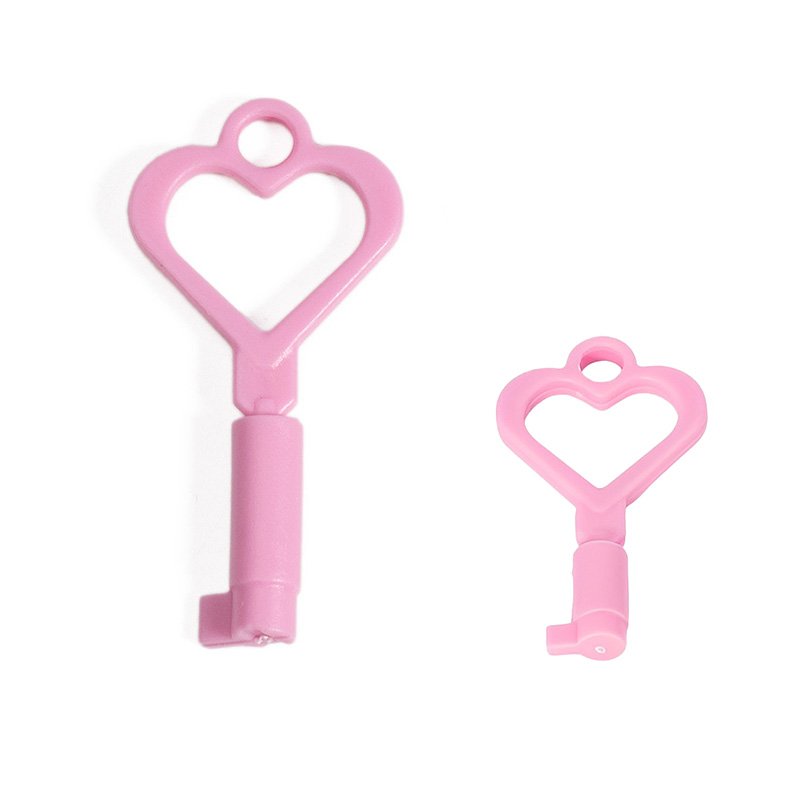
1. Identify the Part You Actually Need
Begin with the symptom: a key is missing, the cylinder is damaged, or the cage and ring no longer align. A new lock is not a reliable fix for a damaged mounting point. Inspect the removed device under good light and note which component is incomplete, cracked, or visibly distorted. Do not reshape parts or force an unfamiliar cylinder into place.
Missing key versus replacement cylinder
For a missing key, ask whether a matching spare can be supplied for the original lock. For a replacement cylinder, confirm both mechanical fit and the keys supplied with it. Do not assume that a replacement key will operate an existing cylinder just because the handle, color, or product name looks similar.
Missing hardware or a damaged connection
If the missing item is a pin, screw, or ring component, identify it separately. The store’s individual chastity cage accessories service covers separately purchased parts and asks customers to confirm the exact accessory before ordering. Supply the original order details instead of selecting a generic part by appearance.
2. Build a Compatibility Record Before Shopping
Create one record for each device: product name or SKU, order number, selected size, original lock type, and photographs of the removed hardware. If the same model has been sold in different versions, the order information helps customer service identify which version you own. Photograph the mounting point from more than one angle; a front-only image can hide the position of a locating tab.
For a concealed cylinder, record its body length separately from the overall key length. Also note body width or diameter, protruding tabs, and the matching slot in the device. For an external padlock, the relevant measurements instead include the shackle diameter and clearance. These are comparison fields, not a recommendation to swap between lock styles.
Use millimeters throughout. A ruler photograph is useful context, but it may not resolve small differences; if you cannot measure a feature reliably, mark it as unconfirmed and request a dimensioned reference. Browse the iCockCage accessories category only after you have this record, so that decorative similarity does not drive the decision.
3. Read Cylinder Length and Key Length Separately
The Plastic Concealed Chastity Cage Lock Core listing offers Small and Large options. Its published measurements distinguish the small cylinder length of 10 mm from its key length of 29 mm; the large cylinder is listed at 18.55 mm with a key length of 38.15 mm. Those four numbers describe two different parts in two size options. They are not interchangeable measurements.
For example, measuring a 29 mm key does not establish that a 29 mm cylinder is needed. Start with the cylinder body and the matching connection, then confirm the selected variation with customer service. The listing also offers quantities of two or five lock cores. Treat quantity and size as separate choices, and confirm the number of matching keys supplied rather than inferring it from a photograph.
These measurements help narrow the search; they do not establish universal compatibility. A cylinder of the right length can still have the wrong width, tab position, or key interface. Do not round a near match into an assumed fit.
4. Compare the Listings With a Parts Checklist
The A-5 resin concealed lock and key set lists one concealed lock and two keys in its packing list. That is useful package information, but it does not prove that the A-5 fits the same mounting point as either plastic-core size. Obtain model-specific confirmation before treating these listings as alternatives.
| Listing or option | Published detail | Confirm before ordering |
|---|---|---|
| Plastic core — Small | 10 mm cylinder; 29 mm key length | Body width, tab position, device model, and supplied key count |
| Plastic core — Large | 18.55 mm cylinder; 38.15 mm key length | Exact connection match; do not select by key length alone |
| A-5 concealed lock | Packing list: one lock and two keys | Cylinder dimensions and compatibility with the original device |
| Individual accessories service | Separate parts, including lock cores and keys; contact first | Exact part reference and whether a complete matched set is needed |
A useful supplier reply identifies the device, the replacement reference, the selected size, and the included keys. A general statement such as “fits most cages” leaves those questions open. Keep the confirmation with the order so that the next replacement starts from a known part reference.
5. Test the Approved Replacement With the Device Removed
Once compatibility is confirmed, follow the supplied assembly instructions on a clean table with the device completely off-body. Check the new part for visible damage, align the original components as directed, and check that the supplied key operates the mechanism without force. A bench check is a functional check, not a certification of body fit or suitability for extended wear.
A useful result is repeatable opening and release
Check both supplied keys where applicable, and make sure you can return the assembly to its open state. Stop if the cylinder only seats at an angle, the parts need squeezing together, or the key binds. Do not file a slot, bend a key, or add an improvised spacer to make the replacement fit. Photograph the issue and ask for the correct part.
Before any use, the wearer must have an immediately available way to remove the device. An agreement between adults should allow either person to stop; a key-storage routine must support that agreement. Stop use if discomfort develops rather than using a different lock to keep a poorly fitting device closed.
6. Keep Spare Keys Matched and Accessible
Label each verified key set with a neutral reference that matches your device record. Avoid mixing untested keys from different sets in one pouch. After testing, keep an accessible spare separate from the primary key so that misplacing one item does not remove both access routes.
The Chastity Key Anti Cheating Organizer is listed as a resin storage accessory. It can form part of an organization system, but the product name is not evidence of tamper resistance or an emergency-release feature. Do not make opening another locked container, reaching a remote partner, or waiting for a timer the only way to reach a spare key.
For a shared routine, agree in advance where the spare is kept and who can reach it. Avoid recording actual key codes or private order details in public photographs. The purpose of the record is to identify parts and preserve access, not to create a barrier to stopping.
7. Store Clean, Dry Parts Without Guessing at Maintenance
Follow the cleaning and maintenance instructions for the specific lock and device. A removable lock is not automatically suitable for soaking, boiling, alcohol, oil, or another cleaner. If the care instructions do not cover the lock, ask before treating it like the surrounding cage material.
Before storing the set, check that the parts are clean and dry according to those instructions. Keep the cylinder, its verified keys, and the size reference together in a labelled compartment, while keeping the accessible spare in its agreed location. Inspect for debris, cracks, or damaged tabs before reassembly. A sticking mechanism calls for investigation, not extra turning force.
8. Send a Precise Replacement Request
Use iCockCage customer support to send the original order number, device model, selected size, photographs of the removed components, and your measurements. Specify whether you need a key, a cylinder, or a complete matched set. This gives the support team a concrete compatibility question instead of a request to identify a part from its color.
“Please confirm the replacement lock for my device model and order. I have attached photos of the removed cylinder and connection, with measurements in millimeters. Does the recommended option fit this version, and how many matching keys are included?”
Before testing or returning a delivered replacement, review the current returns and exchange policy and ask what checks are permitted. Keep the packaging and compatibility correspondence. Do not modify a part first and then assume it remains eligible for return.
FAQ: Chastity Cage Replacement Locks and Spare Keys
Are chastity cage replacement locks universal?
Do not assume they are. Confirm the device model, lock style, cylinder dimensions, and locking connection with the seller. Matching material or appearance is not enough to establish compatibility.
Is cylinder length the same as key length?
No. The Plastic Concealed Chastity Cage Lock Core listing gives separate measurements: 10 mm cylinder and 29 mm key length for Small, and 18.55 mm cylinder and 38.15 mm key length for Large. Confirm the selected variation and connection before ordering.
Does a replacement lock include spare keys?
It depends on the listing and selected option. The A-5 packing list specifies one concealed lock and two keys. For other listings, ask for the supplied key count and confirm that the keys match the supplied cylinder.
What should I do if a replacement binds during testing?
Stop the off-body test and do not force or modify the part. Record the model, dimensions, and point where it binds, then ask customer service to confirm the correct replacement. Do not use the device until normal opening and release have been verified.