
Choosing a chastity cage by appearance alone can leave you comparing the wrong dimensions. A better approach is to treat fit as a small, repeatable measurement project: identify the contact points, record the dimensions requested by the listing, and then consider how the device will be cleaned, worn, and removed. This guide is for adults making an informed, consensual purchase.
1. Define the Fit You Need Before Shopping
Write down the reason for the purchase, the clothing and activity context, and who will control the key. A first-time buyer should be able to remove the device independently. The site’s how-to-measure guide is a useful companion because each model can ask for different dimensions.
Separate the ring from the cage
The ring controls much of the day-to-day contact with the body; the cage length and opening shape affect positioning and movement. Record these as separate checks instead of assuming a single “size” describes the whole device.
2. Take Consistent Measurements
Measure when the body is relaxed and at a consistent temperature. Use a flexible measuring tool without pulling it tight, write down the unit, and repeat the measurement once. If the two results differ, use the product’s stated method or ask the seller before ordering.
Record conditions, not just numbers
Note whether the measurement was taken standing or seated and whether the device will be worn under close-fitting clothing. This context helps you compare models without pretending that a number guarantees comfort.
3. Match Length and Openings to Daily Movement
A compact profile can be convenient for some wardrobes, while a longer or more open design may make cleaning and bathroom routines easier. Look for the listed opening, ventilation, and removal details. The micro lightweight hollow device is one catalog example to compare with the two pee-guide designs below; the names describe the product concepts, not a promise that any model will fit every body.
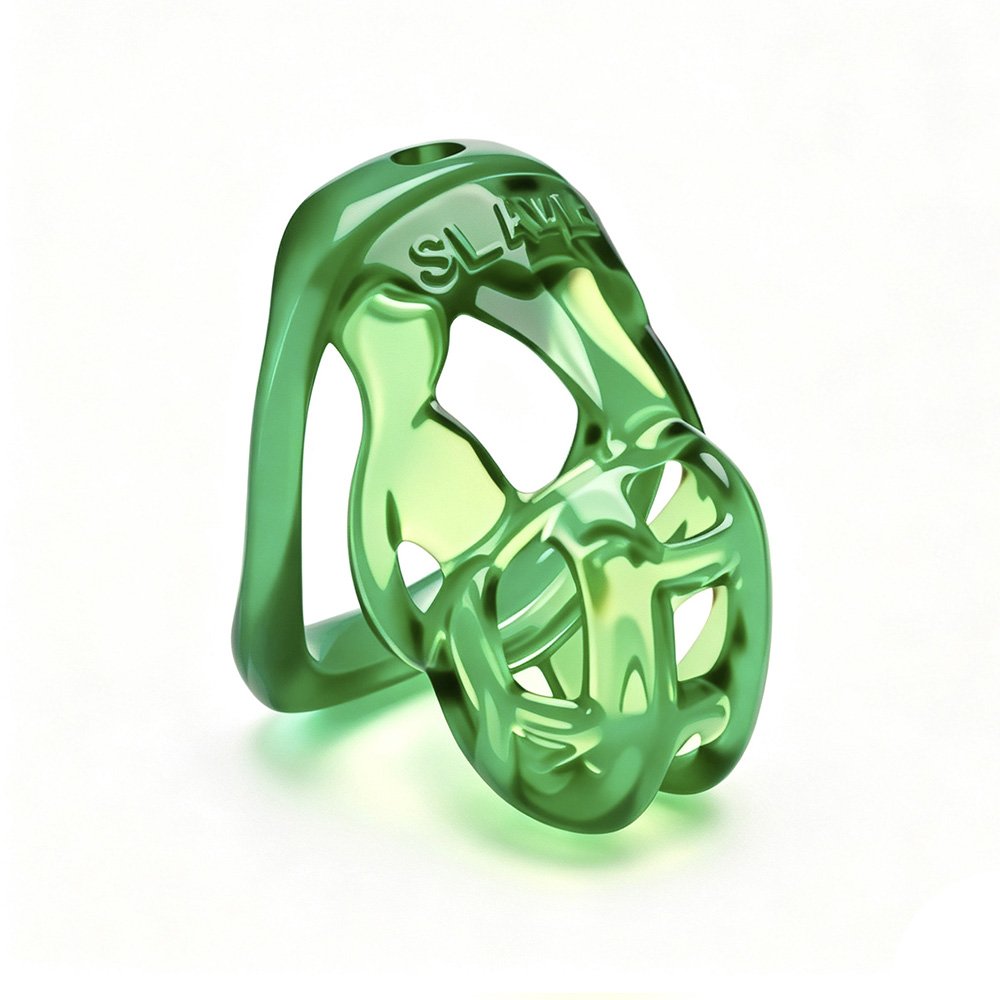
4. Compare Guide and Opening Designs
When urination access and cleaning are important, compare the actual guide or opening design rather than relying on a category label. The catalog includes a 3D cage with a sliding pee guide and an adjustable pee-guide cage. Read the listing instructions and check that the mechanism can be cleaned and operated without forcing it.
5. Use a Fit Comparison Table
| Check | What to record | Why it matters |
|---|---|---|
| Ring fit | Manufacturer’s requested ring measurement and unit | Helps identify pressure or movement issues at the main contact point |
| Cage profile | Listed length, width, opening, and adjustment method | Shows how the device may align during sitting, walking, and dressing |
| Access | Ventilation, cleaning access, and removal steps | Supports hygiene and a clear exit plan |
| Material and finish | Material named by the listing and any edge or surface notes | Guides cleaning choices and skin observation |
For a different construction reference, compare the flat metal catheter cage with lighter or adjustable catalog designs. The point is to compare verified listing information, not to infer performance from a product name.
6. Plan a Gradual, Reversible Fitting Session
Clean the device and skin, fit it in a calm setting, and keep the key or release method immediately available. Check for rubbing, pinching, color change, swelling, or loss of normal sensation soon after fitting and again during use. A partner should agree on a stop signal and respect it without debate.
7. Build Hygiene and Removal Into the Choice
Before ordering, confirm how every surface and opening can be washed and dried. Avoid products or cleaners that the listing does not support, and do not keep a device on through concerning symptoms. The recommended cages for beginners page can help you narrow the catalog, while the site’s returns policy is worth reading before purchase if fit is uncertain.
8. Make the Final Selection
Choose the model whose verified dimensions, access, and removal plan you can explain clearly. Save the product URL and sizing notes with your order record. If the listing does not provide a measurement you need, contact the seller instead of guessing. Stop use for pain, numbness, unusual coldness, swelling, broken skin, or any symptom that concerns you, and seek appropriate medical advice when needed.
FAQ: Chastity Cage Size and Fit
What measurements should I take before choosing a chastity cage?
Take the measurements requested by the specific product listing, usually the ring area and the length or fit dimensions used by that model. Record each measurement in the same units and compare it with the manufacturer’s size information.
Is a shorter cage automatically safer or more comfortable?
No. A shorter profile can suit some bodies and clothing, but comfort depends on the ring, alignment, pressure points, and movement. Start with the verified dimensions and stop if you notice pain, numbness, unusual coldness, swelling, or skin injury.
How should a first-time buyer test fit?
Use a clean, calm fitting session with informed consent, keep the device removable, and check the skin and circulation soon after fitting and during use. Remove it immediately for concerning symptoms and seek professional medical advice when needed.